|
Paper
laminating machine is a crucial post-processing equipment. It combines a layer
of transparent plastic film (such as BOPP, PET, CPP, etc.) on the surface of
printed materials such as paper, cards, posters, etc., giving the product
excellent durability, aesthetics, and professional texture. This laminating
process not only effectively prevents water, dirt, fading, and physical
tearing, but also significantly enhances color saturation and visual effects,
instantly upgrading ordinary printed materials to high-quality durable
materials.
A paper laminating machine is an indispensable tool for
businesses, schools, print shops, and creative professionals. It serves the
vital function of encasing paper documents, photos, or cards in a clear,
protective plastic film. This process, known as lamination, not only preserves
important items from wear, tear, moisture, and fading but also gives them a
professional, polished finish that enhances colors and improves durability.
From ID badges and menu cards to important certificates and marketing materials,
a reliable laminator is key to producing high-quality, long-lasting products.
Understanding the Technology: From Basic to Advanced
At its core, a laminator uses heat and pressure to melt an
adhesive layer on plastic film pouches, sealing it around the inserted
document. While basic pouch laminators are perfect for occasional, low-volume
needs, professional environments demand more robust, efficient, and precise
equipment. This is where advanced semi-automatic and automatic paper laminating machines excel,
offering faster throughput, consistent quality, and the ability to handle wider
materials and specialized films.
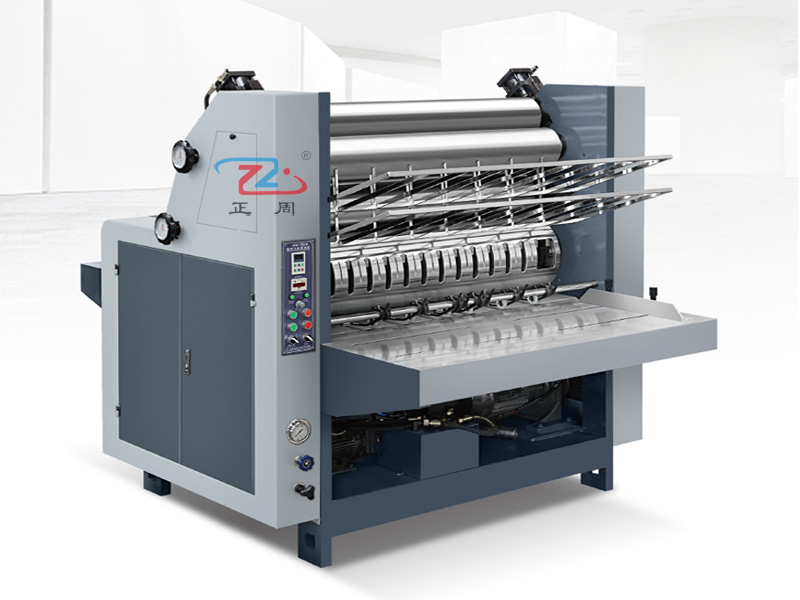
A prime example of this advanced engineering is the KFMJ-D High-Speed Semi-Automatic
Mounting Machine. This model represents a significant leap
forward in laminating technology. It is a brand-new, fourth-generation model
developed successfully by our company, building directly upon the foundational
work of its A, B, and C type predecessors. What sets the KFMJ-D apart is its
sophisticated integration of multiple technologies. It is an innovative fusion
of pneumatic,
hydraulic, photoelectric, and mechanical systems. This hybrid
design allows for exceptional control over pressure and speed, ensures precise
alignment and feeding of materials, and results in a perfectly flat,
bubble-free laminate with superior edge sealing. The "semi-automatic"
operation optimizes the workflow, requiring minimal operator intervention while
maintaining a high degree of control over the process, making it ideal for medium
to high-volume lamination tasks.
Key Applications and Benefits of Professional Lamination
Investing in a quality paper laminating machine unlocks
numerous benefits:
· Protection: Laminated
items are resistant to water, spills, dust, stains, and frequent handling.
· Durability: The
plastic coating prevents tearing and crumpling, significantly extending the
lifespan of documents.
· Enhanced Appearance: Lamination
adds rigidity and a glossy or matte finish that makes colors pop and text
appear sharper, greatly improving the perceived value of any item.
· Professionalism: Laminated
materials, such as presentation sheets, signage, and retail tags, convey
competence and attention to detail.
· Versatility: Beyond
paper, good laminators can process fabrics, thin foams, and other substrates
for creative or industrial applications.
Selecting the best laminator depends on your specific needs.
Consider these factors:
· Volume and Speed: For
frequent use, a semi-automatic
model like the KFMJ-D offers a perfect balance of speed
and cost-effectiveness. Full-automatic machines are suited for non-stop,
high-volume production lines.
· Maximum Pouch or Roll Width: Ensure
the machine can handle the size of documents you most commonly use.
· Film Type Compatibility: Check
if it works with both hot and cold laminating films, as cold lamination is
better for heat-sensitive materials like inkjet prints or certain fabrics.
· Features: Look
for adjustable temperature controls, multiple speed settings, and safety
features. The advanced technological integration seen in models like the KFMJ-D
directly translates to more consistent results, fewer errors, and higher
overall output quality.
Conclusion
Whether
you are preserving cherished memories, creating durable educational tools, or
producing robust marketing materials, a paper laminating machine is a
vital asset. Moving beyond basic pouch laminators to advanced semi-automatic
systems represents a commitment to quality, efficiency, and professionalism.
Machines that leverage integrated technologies—such as the KFMJ-D High-Speed Semi-Automatic
Mounting Machine with its fusion of pneumatic, hydraulic,
photoelectric, and mechanical systems—deliver unparalleled performance and reliability.
By carefully assessing your volume, material, and quality requirements, you can
select a laminator that not only protects your items but also enhances their
value and impact for years to come.
|